Strategies for touring in China, Hong Kong and Macao
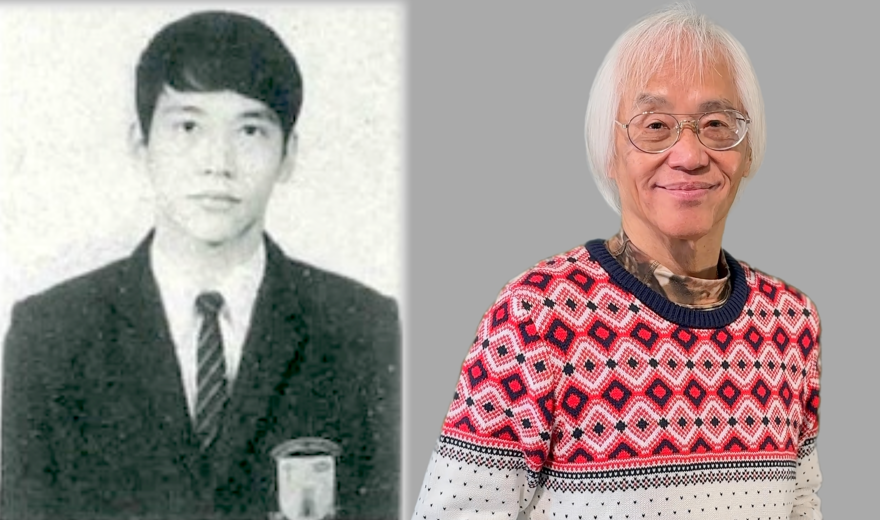
By 連浩煊 Joe Lynn ‘69, April 2025
I had a lot of fun touring Hong Kong, Macao, Guangzhou, Shanghai, Hangzhou, Nanjing and Beijing (in that order) for 4 weeks in March and April, 2025. There were many beautiful locations that I went to, and many delicious meals that I ate, but I won’t be writing much about those because many people have already posted articles and videos on the internet covering such topics in great detail.
Instead, I would like to share my observations about how to get things done, what to expect on the trip, and the quite elaborate preparations that one would need to go through to ensure a smooth touring experience on the mainland and the two SARs, particularly if one has residency rights in Hong Kong.
PART 1: RAIMONDI GATHERINGS
Before I talk about the observations and preparations, I am happy to say that I managed to attend two Raimondi alumni gatherings in Hong Kong. I had such a great time chatting with my school mates from the ‘60s!
2025-03-17
Kamcentre Roast Goose 甘堂燒鵝
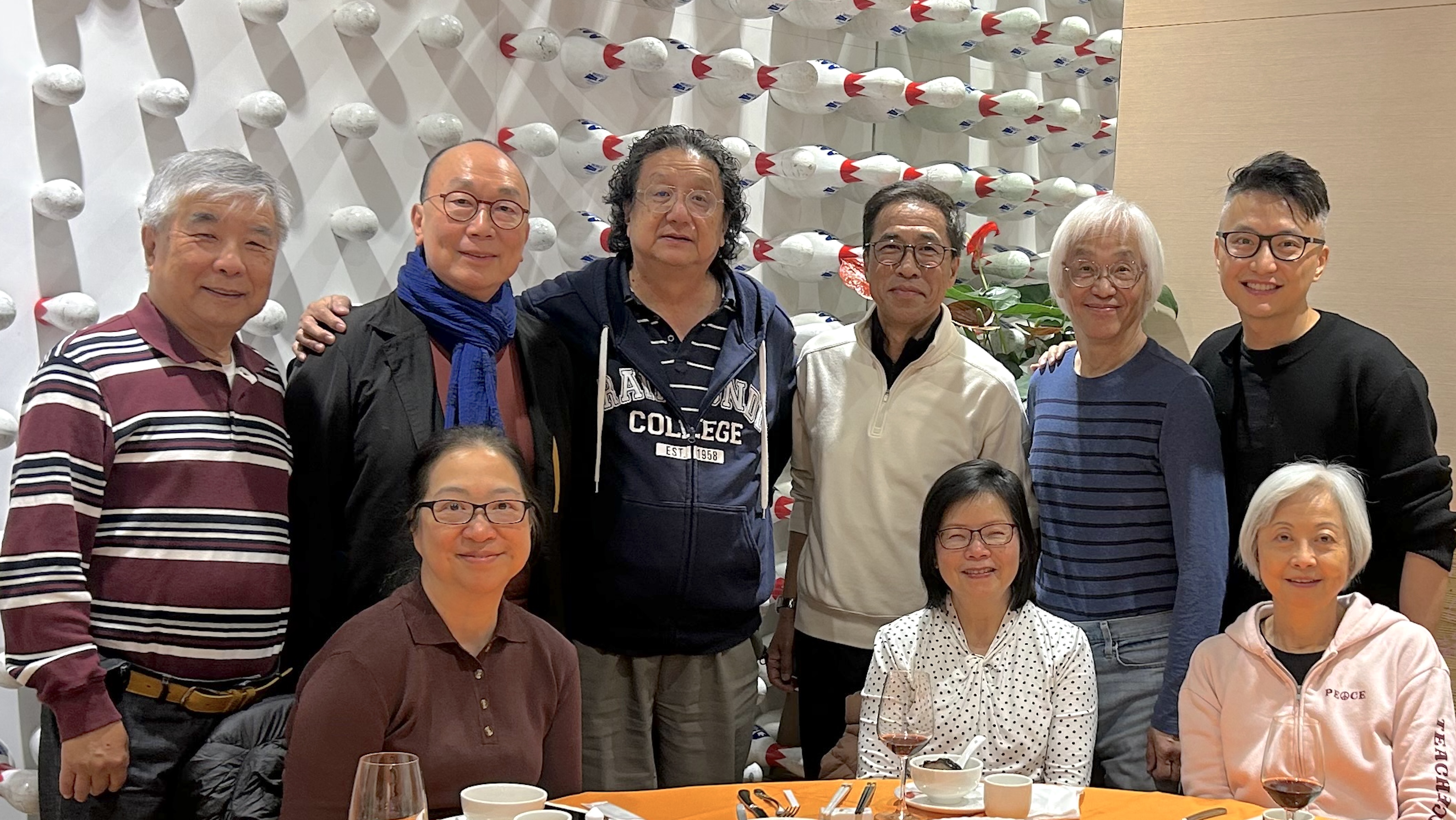
Jacky Kam ‘78, Leo Lau ’69, Joe Lynn ‘69 & Pansy, Brian Lynn ’97 (F1)
Bernard Wong ’70 & Irene, Peter Wu ’69 & Freda
2025-03-18
Hong Kong Jockey Club 香港賽馬會

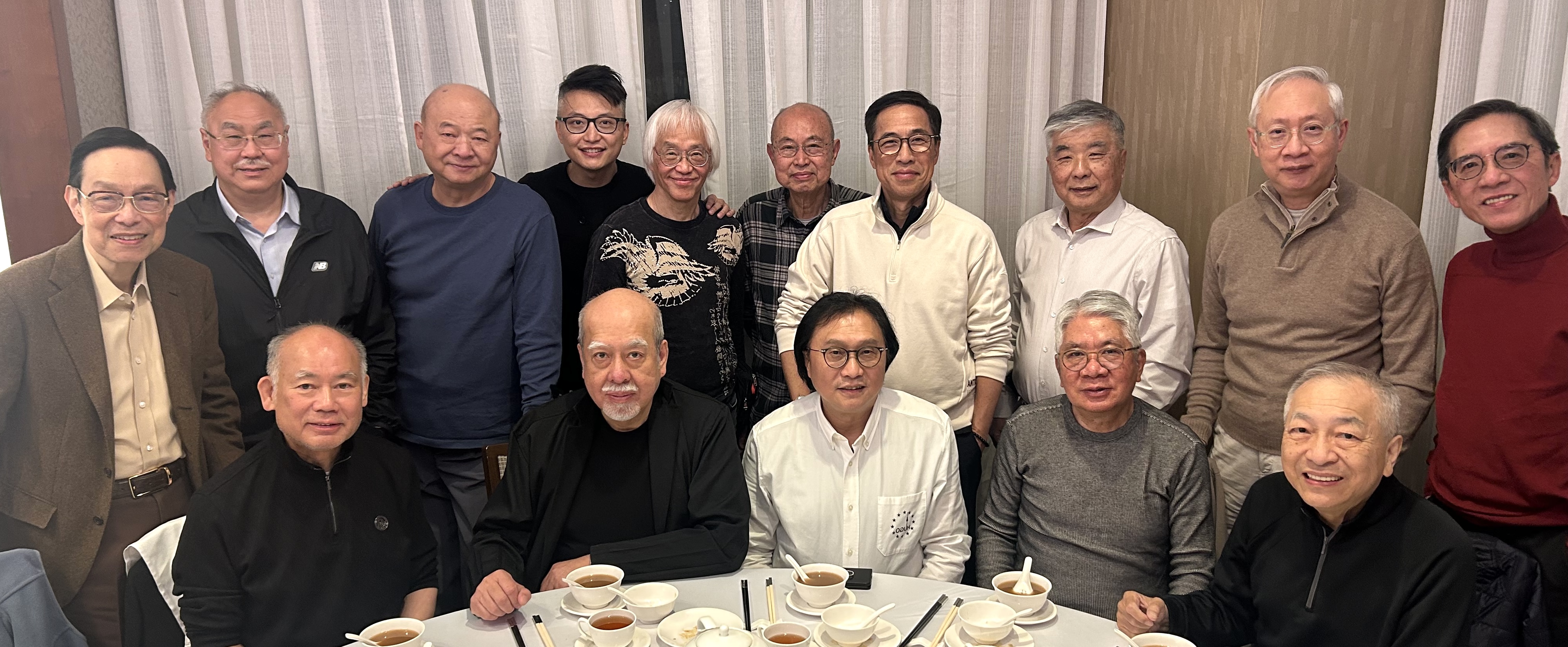
Reynaldo Alfonso ‘69 & Esther, Peter Chan ’70 & Kitty, Simon Cheung ’69
Eddie Chiu ’69 & Connie, Charles Lam & Ysanne, Leo Lau ’69 & Christina
Ernest Lee ’69 & Cara, Lawrence Lee ’69 & May, WH Leung ’69
Joe Lynn ‘69 & Pansy, Brian Lynn ’97 (F1), William So ’69 & Vivien
Patrick Tsang ’70, Peter Wu ’69 & Freda, Dave Yip ’69 &Winnie
So wonderful to see so many good friends from high school!
And in case you are wondering who is Brian ’97, he’s my son. He entered Prep 1 in 1988 and studied for 9 years at Raimondi.
PART 2: TOUR OBSERVATIONS
2.1: Tourist spendings
2.2: Hotels
2.3: Meals
2.4: Grocery stores
2.5: Sundries stores
2.6: Tickets for attractions and sights
2.7: The Great Wall
2.8: I scan you 我掃你
2.9: Transportation in Hong Kong
2.10: Transportation in Macao
2.11: Transportation in China
I would like to share some of my observations during the tour before I go into the rather tedious steps and procedures of the preparations.
2.1: Tourist spending
Naturally, the cost of living in a society should be commensurate with its GDP.
During my trip, I noticed that the per capita GDP of Hong Kong US$54,000, China US$13,000, and Canada US$53,000 played out nicely. The relative prices of goods and services were mostly proportionate to those GDP figures.
The most common thing I’ve heard from other tourists was “things in China are so inexpensive and good value!”
2.2: Hotels
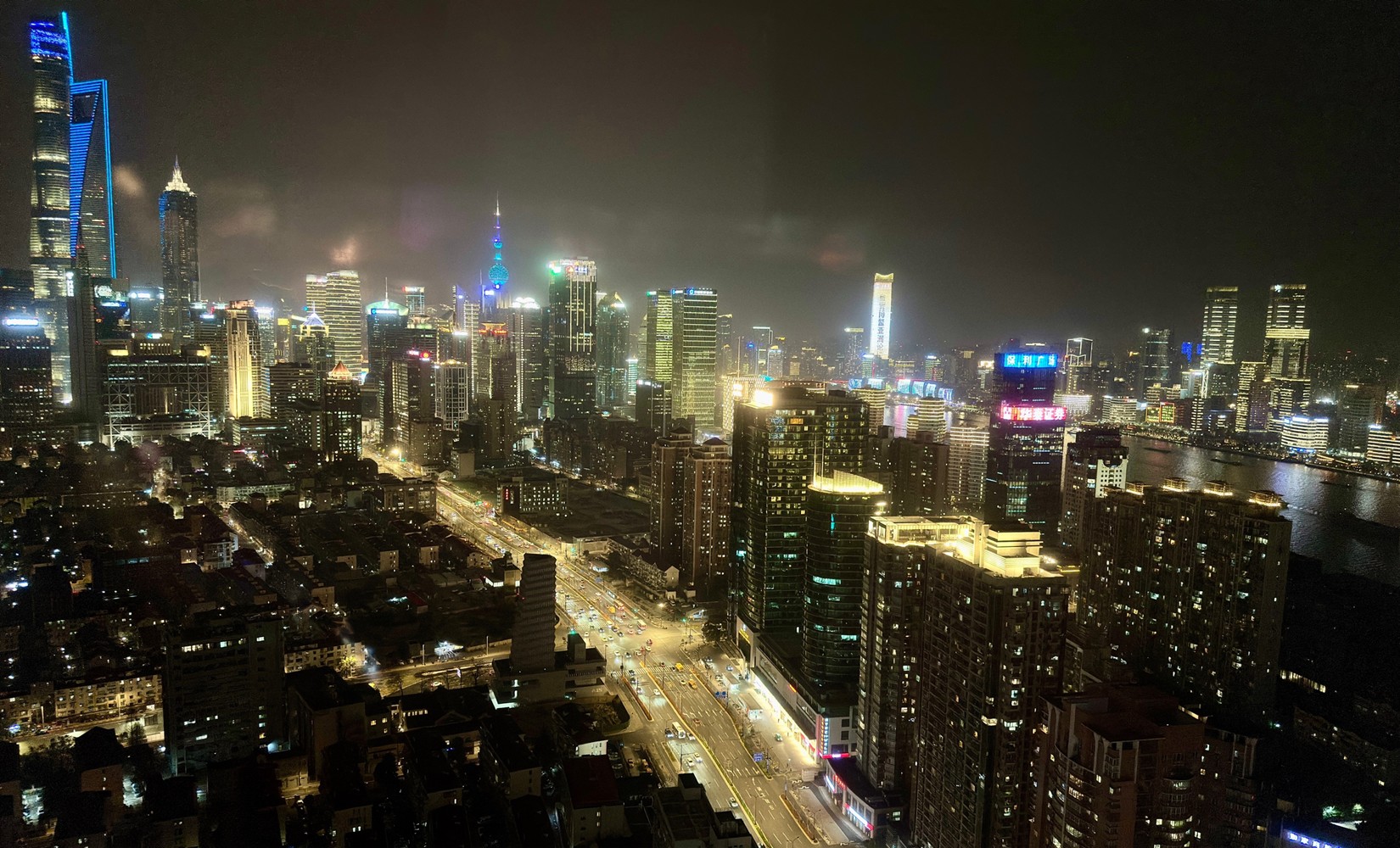
I booked an European chain 4-star hotel in Shanghai, a local 5-star hotel in Nanjing, and a Chinese chain 4-star hotel in Beijing to compare the brands.
They all cost around US$100 a night including a buffet breakfast, which was hardly expensive compared to hotels in other countries.
My observations were that:
- Staff service was excellent. Everyone was polite and helpful.
- Cleanliness was top notch.
- Generally, hotel bookings are on free cancellation basis, which provides great flexibility when changes in time or venue are needed.
- Chinese brands attracted Chinese customers, and foreign brands attracted foreigners.
- There were always some Chinese customers who ignored the no-smoking rule and turned their room into a smoke house. When I complained, my hotel immediately moved me to another room and warned the smoker.
2.3: Meals
In Hong Kong, a meal can start at US$7 per person but I felt that the median meal price at most restaurants was around US$30 per person.
Once in China, the median meal price dropped way down to US$5 for me.
I have tried a wide range of restaurants from food courts to top brands, and even the authentic Peking Duck dinner in Beijing topped out at only US$18 per person.
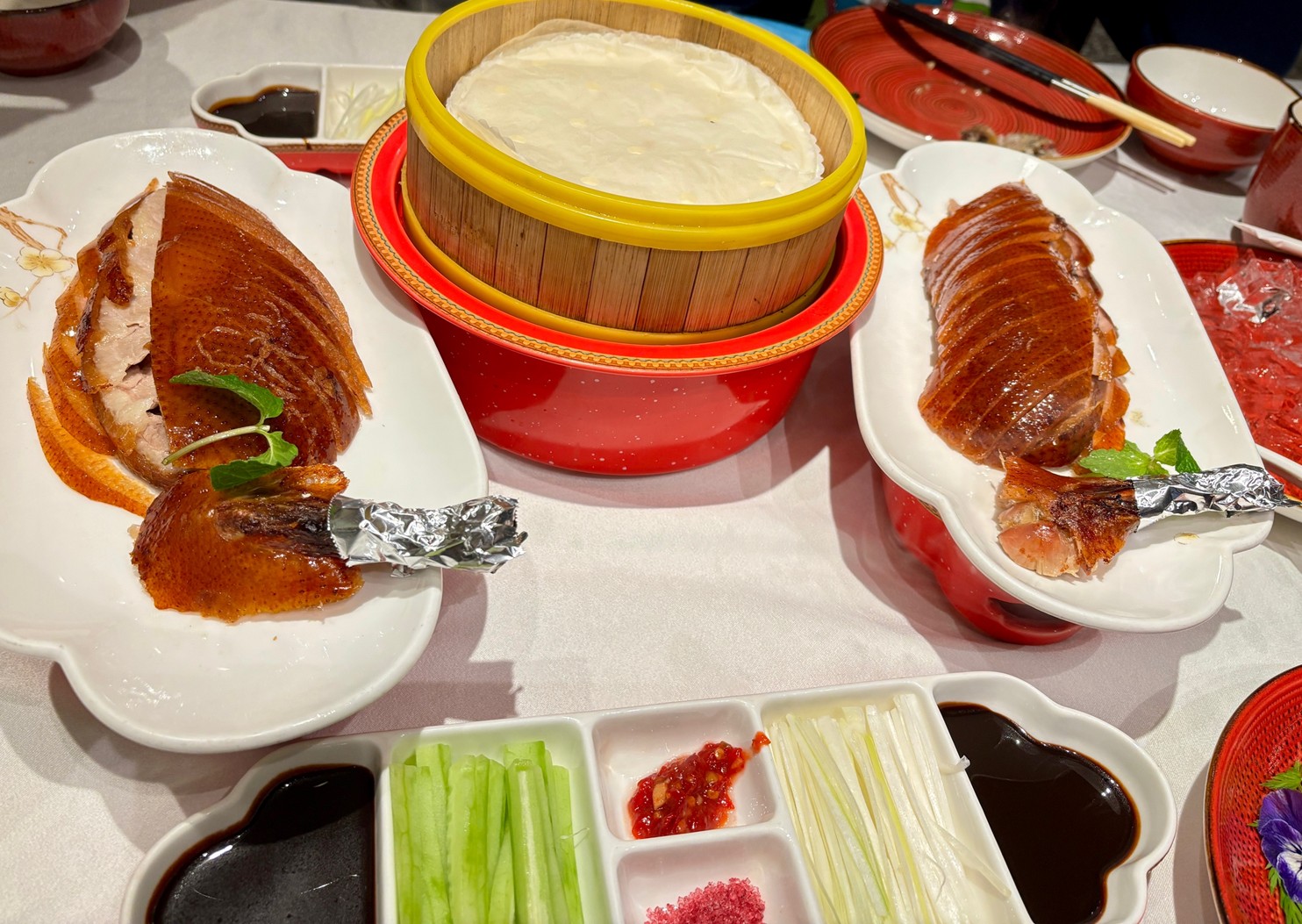
If one also considers that tipping is not required in China, the disparity with North American meal prices is even higher.
There was one meal when we appreciated the service so much that we tried to give CNY10 tip to the waitress. She acted quite surprised and she actually chased me around the restaurant to return that money to me.
I hope that it was because the restaurant prohibited tipping, and not because a CNY10 tip was too low.
Still, the restaurant business was obviously very competitive in China. I never had to wait in line at any restaurant, even at peak hours.
The international chain Din Tai Fung 鼎泰豐, for example, usually have long waiting lines in most of their locations worldwide. They had quite a few empty tables when I went to their Shanghai location for dinner.
The really nice thing about dining in Chinese restaurants was that they do not skimp on food materials 食材, always giving you good value for your money.
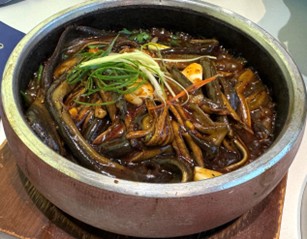
I passed by a small restaurant in Shanghai that had a big sign saying 本幫菜 so I went in to try it. I was most surprised as the Fried Eel Strips 炒鱔絲 was a big bowl with plenty of tasty eel strips in it.
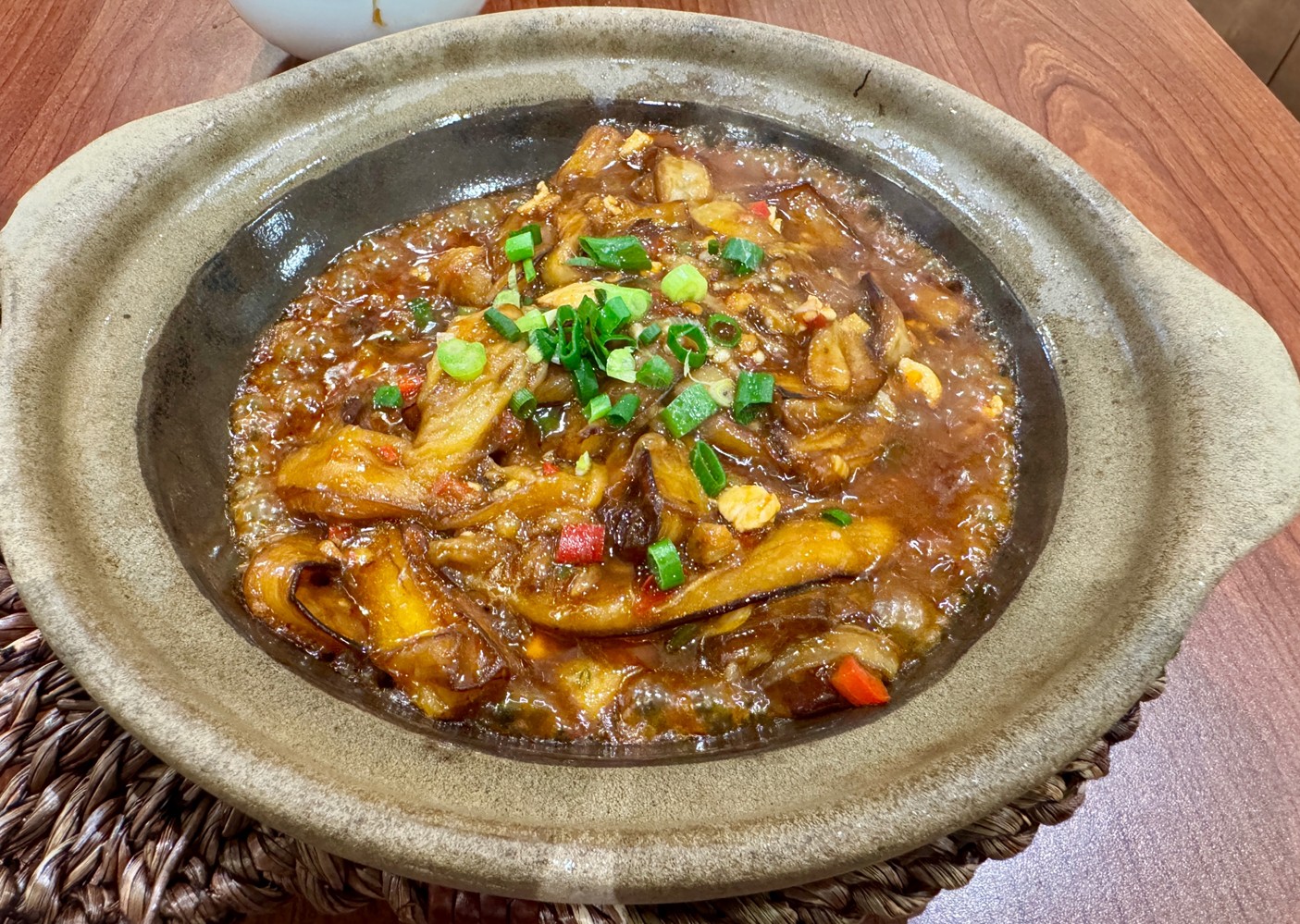
I just had one doubt in my mind about the cooking oil used in restaurants.
After several meals eating out, my taste buds told me that the same type of oil was being used in every restaurant and it was not of high quality. This feeling stayed with me throughout my tour.
There was also one food item that I had some doubts with, the CNY30 crab roe soup big bun 蟹黃大湯包 that is sold at many stalls in the tourist areas of Shanghai. The advertisements said that it was all real crab meat and crab roe. Well, I didn’t quite believe that.
Maybe in some of the more reputable restaurants, they did use a lot of real crab roe, but I didn’t see that happening when I watched one of the stalls preparing their buns.
What I saw was that the stuffing was a bouncy, jelly-like substance, quite like pork gelatin. For sure there was very little crab meat in it.
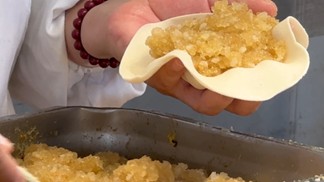
Since I didn’t know what it was, I did not try it.
2.4: Grocery Stores
The grocery stores were plentiful with items, most impressive of which were the vegetables and fresh fruit. The veggies were all nicely cut and trimmed, obviously washed, and packed in plastic bags. The prices were close to what I saw back home, but in CNY and not US$.
The bakery section was usually impressive. They made a great variety of bread, pastries and cakes that attracted lineups with mostly younger customers.

There was a great variety of fruit available including some which have been successfully transplanted in Chinese farms like the durian 榴蓮. In a Beijing store, I saw that they had golden pillow 金枕頭 durian meat in vacuum packing, so I bought some to try it out. It was as delicious as the Southeast Asian-grown species.
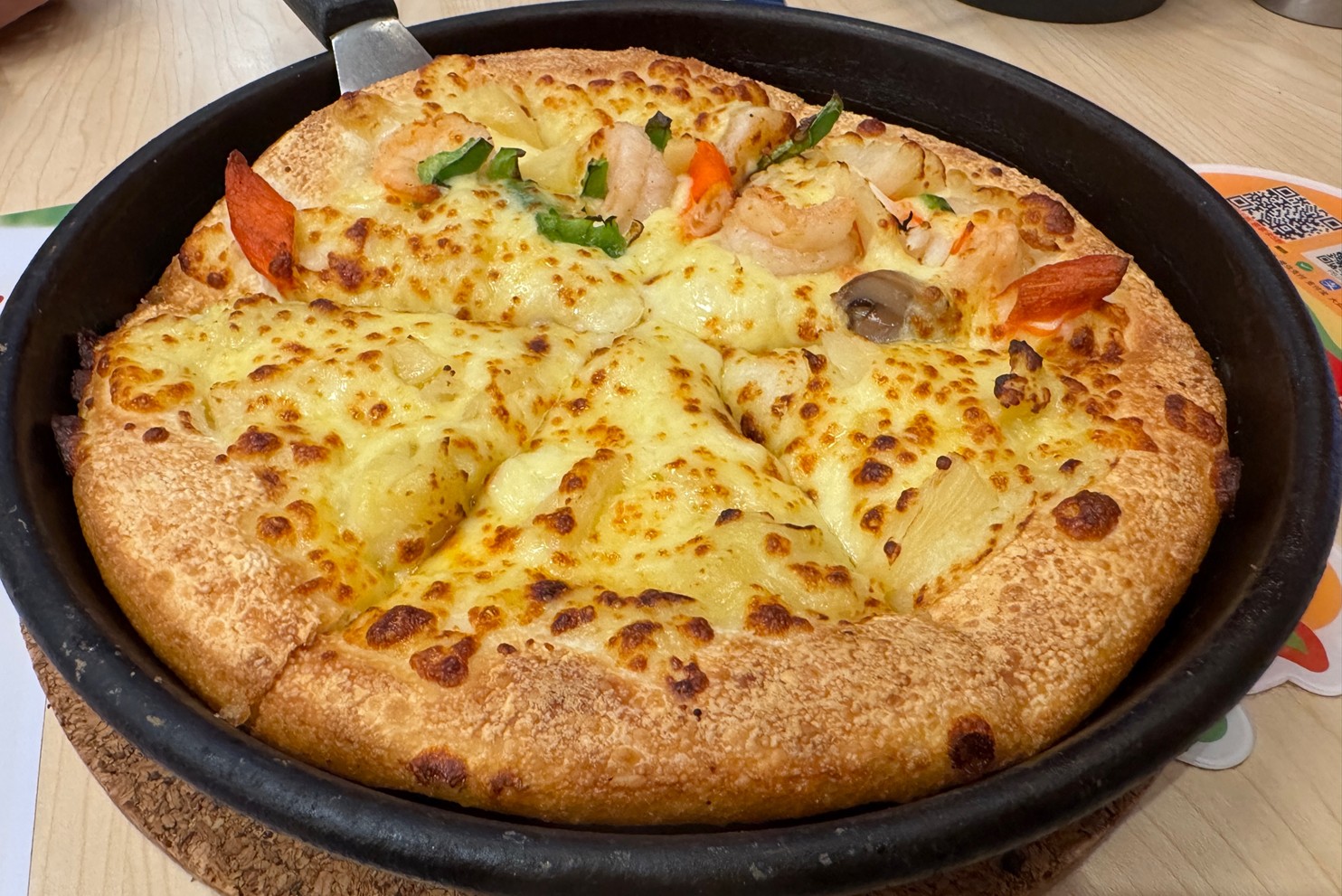
I noticed in Guangzhou that they liked to make durian pizzas. Finally, at a Pizza Hut in Beijing, I got to try one.
2.5: Sundry Stores
Sundry items like clothing and shoes were usually sold in smaller stores. The prices were low but even so, I did not see a lot of customers in the shops. When I stopped by to buy a casual jacket, I felt flattered when I was given top service.
In the luxury shopping malls, I saw a lot of people passing by the empty luxury brand stores and empty restaurants on their way to the food courts.
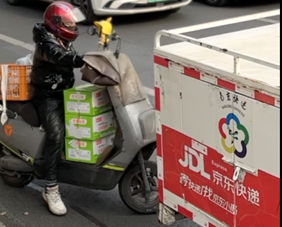
After I installed a PDD 拼多多 mini app into my WeChat, I saw that the online prices were even lower! No wonder I saw so many delivery guys on the road and so few people in the stores.
By the way, I thought that the Temu prices in North America were low. Well, the PDD prices in China were only about 2/3 of the Temu prices!
One day, we passed by a hair salon with a sign saying CNY10 for a haircut. Yes, less than US$1.50 for a haircut! I watched for a while and saw that the hairdresser was actually quite proficient, and her work was certainly worth more than CNY10.
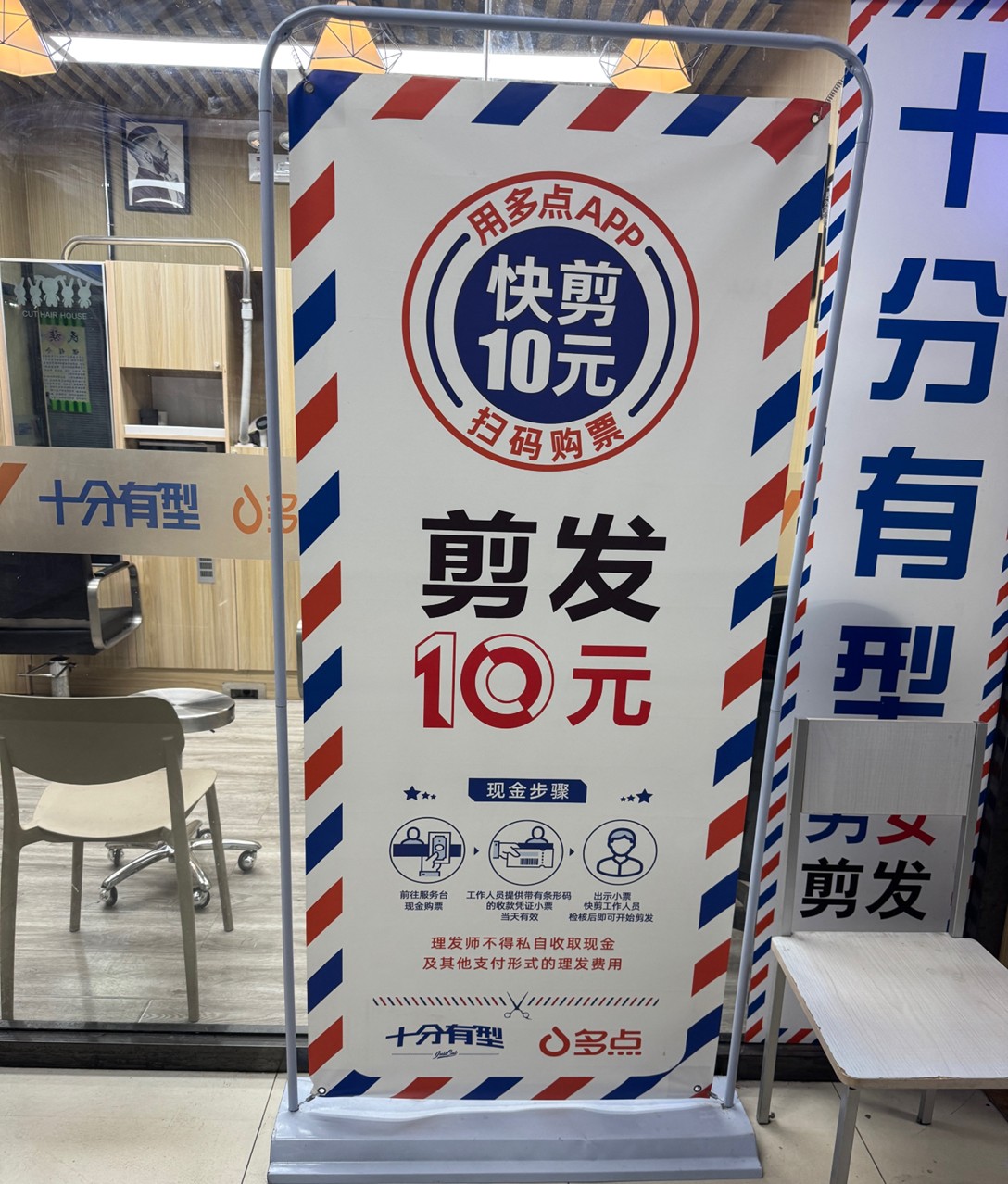
My wife said to me: “Hey, get a haircut here. It’s just CNY10!” I replied with a smile, “Okay, you cut, I cut.”
2.6: Tickets for attractions and sights
Most of the sights require 7 days booking in advance, but if you are a “foreigner” holding a passport or a MTP card, that requirement can be waived.
For seniors, many venues offer free entrance, no need for tickets.
At the sights that I’ve visited in Nanjing and Beijing, I always simply showed up at the ticket office and presented my MTP card to enter.
The Forbidden City 故宮 even had a printed sign on the ticket office window saying “We do not sell tickets for today 不售當日票” but I noticed that foreigners presenting their passports will get tickets for the day. MTP card holders also get the same preferential treatment.
The Forbidden City 故宮 senior ticket was 50% off instead of being free.
2.7: The Great Wall
Most people visiting the Great Wall would join a day tour 一日遊 because it includes tickets and a pre-booked coach to and from the venue. That’s the safe way to go for tourists.
Some people have tried using a DiDi car to go to the Great Wall and buying their own tickets, however at the end of the day, they could not find a DiDi car and had to pay big bucks to get transportation back into town.
To avoid this predicament, I also joined a day tour to go to the Great Wall at Mutianyu 慕田峪長城 which is usually less crowded than Badaling 八達嶺。

Near the ticket office, I was interested to see that there was a window with a sign saying “CNY40 for bus to Tiananmen Square ¥40 巴士去天安門 “。
Maybe Mutianyu management has noticed that there indeed were people who spent too much time on the Wall and missed their coaches.
2.8: I scan you 我掃你
An amusing verbal exchange will happen when you buy something or pay for a service in China. The vendor might say to you “我掃你 (I scan you)” or “你掃我 (you scan me)”.
Or you might ask the vendor “我掃你? ( I scan you?)” or “你掃我? ( you scan me?)”.
This happens because there is different hardware used for a phone payment: either a scanner, or a card with a QR code on it.
Say in a taxi, the driver would usually have a QR code card in the car, and no scanner.
In this case, the driver would say “你掃我 (you scan me)” whereupon you’d bring up your WeChat app on your phone, tab on Chats, then tab on the “+ inside a circle” icon on the top right, select “掃一掃” which will activate scanning mode on your phone camera, and then use your phone camera to scan the driver’s QR code card.
Your phone will beep and jump to the next page for entering the amount due. You check the amount with the driver, input the figure into your phone, and tap “Pay支付” which will result in your WeChat sending the amount to the driver’s phone, completing the payment.
For vendors at shops and restaurants, they have scanners, so they’ll say “我掃你 (I scan you)”.
You bring up your WeChat app on your phone, tab on Chats, then tab on the “+ inside a circle” icon on the top right, select “收付款” which will bring up your personal QR code 付款碼 on your phone screen.
You then turn your phone screen towards the vendor’s scanner to let it scan your QR code.
Your phone will beep and jump to the next page showing the amount due, if okay, you tap “Pay支付” which will result in your WeChat sending the amount to the vendor’s phone, completing the payment.
It actually makes a lot of sense especially in the food industry. Imagine a vendor making some snacks by hand and then you hand over some dirty dollar bills to him…
2.9: Transportation in Hong Kong
From HK International Airport, there are several choices of transportation to get into town, like MTR train, buses, Uber, taxi.
The $110 MTR Airport Express takes only 30 minutes to get to Central.
This time, I arrived in the morning so I had some time to try the Citybus A11 route for $21 senior fare. The bus has luggage racks and comfortable seats. It took 45 minutes to get to Central, so it was acceptable to me.
There are many bus routes from the airport going to different parts of HK, giving travellers quite affordable choices. A bus might have one advantage over taking the Metro, and that is direct access from the airport bus terminal to a bus stop near your destination without the need to change subway lines while lugging big pieces of luggage.
For us old boys, the big benefit is that seniors over 60 enjoy a special fare of only HK$2 per trip on the MTR trains (except the Lo Wu Station), trams, most buses and minibuses. To use this benefit, one must have the JoyYou Card 樂悠卡.
You can apply for the JoyYou card at home by installing the “Octopus app” and then following the application instructions there. The app will need to scan your HKID card, and you need to provide a HK phone number and a HK home address where the card will be sent.
After your friend at the HK address get the card, he/she can add money to it at a nearby 7-11, Circle K, or MTR ticket machine, and then give it to you when you arrive.
2.10: Transportation in Macao
It used to be that we could travel from HK to Macao only on boats. Now that the Hong Kong-Zhuhai-Macao Bridge has been built, we can go there by car or bus.
From Central, a HK$170 boat ride takes one hour. There is one border crossing at the Macao ferry terminal, and then a taxi ride into town taking around 15 minutes. This should be your choice if you value your time.
Since I have taken the hydrofoil to Macao many times before, I decided to try the bus ride.
From Central, a bus ride would entail 2 buses. The first one for me was the Citybus A11 which took 40 minutes to get to the HK-Z-M Bridge HK Port where I had to get off and walk into a transit building to buy a senior fare HK$33 ticket for the Golden Bus. I can’t quite remember but I think I also went through a border crossing there from HK into China territory.
Then I walked to a stop to line up for the bus and waited for 15 minutes. The very safely driven Golden Bus ride to the HK-Z-M Bridge Frontier Post Macao was about 40 minutes. There I passed through the border crossing into Macao and walked to the bus stops to wait for my hotel shuttle bus.
I noticed during the Golden Bus ride that there was an instrument near the front of the bus displaying a steady reading of “60”. I asked a nearby passenger what it was and he told me “that’s the speed of the bus in km.” I see, that’s about 36 miles per hour. No wonder I felt so safe.
The distance from the shuttle bus stop to the hotel was only 4 miles but it took 40 minutes as the traffic was super slow. Totally I spent more than 3 hours going from HK Central to Macao Central by bus.
The only thing that could have made it worthwhile was that I got to see many new high rise residential buildings going up in formerly desolate places in Macao, and that the streets were bustling with pedestrians.
Macao is no longer the relaxing holiday town where I could have a romantic tricycle ride with my wife. Tourists and local people packed the streets, and traffic jams were everywhere, which, to think of it, is actually good for them.
2.11: Transportation in China
Fastest trains in the world!
2.11.1: High Speed Trains 高鐵 vs. Planes 飛機
My first high speed train ride to China was a ride from HK West Kowloon station 西九高鐵站 to Guangzhou South station 廣州南。
I entered the gates about 40 minutes before the train departure time, scanned my MTP card, put my luggage through a quick security check, and waited a bit in line before the gates to the train platform was opened.
For this line before the gates at all train stations, holders of the MTP card or passport should line up at the manual entry line 人工通道 and not just any line, because the MTP card will work only at the manual entry line where an assistant will use his/her machine that is customized for MTP cards and passports. Therefore before you line up, please go check at the gate to see which line is the manual entry line.
When the gates open, everyone rushed to the train platform, took their seats quickly and the train rolled off exactly at the scheduled departure time. One hour later, I arrived at Guangzhou South station, having covered a distance of 120 km.
The train was smooth, steady and quiet, and the seat was comfortable. The ride was definitely enjoyable.
I noticed that some passengers had a lot of luggage and odd shaped things that were obviously merchandise samples. They managed to get them onto the train with no extra charge. This was surely an advantage over flying.
My next stop after Guangzhou was Shanghai. A few days before leaving Guangzhou, I had to decide which one would work better: plane or train to Shanghai?
Cost of airfare and train fare to Shanghai was roughly the same. Plane flight time was 2.25 hours for 1,500 km. High speed train ranged from 6.5 hours to 8 hours. Planes require arrival at the airport 2 hours before, trains need arrival at station 30 minutes before. The time span itself favored flying, being 4.25 hours versus 7 hours or more by train, so I chose flying.
Flying turned out to work very well. Not only did I arrive at the hotel sooner than by train, Baiyun Airport 白雲機場 had nice facilities and décor from perhaps a recent renovation, so it offered clean and pleasant waiting areas as well as restaurants and shops.
There were also far fewer people at the airport than at the train stations. Going through security check was quick and easy, and the plane was only half-full.
One bonus was that even for a short 2-hour flight, the airline still served a meal onboard.
After staying in Shanghai, my next stops were Hangzhou and Nanjing. Both were close enough that high speed train was the obvious choice.
Then going from Nanjing to Beijing was a bit harder to decide but still the train was the winner.
Train fare was about half of airfare. Plane flight time was 1.8 hours for 1,000 km. High speed train ranged from 3.5 hours to 4.5 hours. The time span was close, roughly 5 hours by plane or by train, but the trip from Beijing airport to the hotel was a longer one than the trip from Beijing train station to the hotel – so train it was.
Overall, my high speed train experience was very good, but I did notice one habit that the local passengers had that seemed to have remained unchanged over 50 years: in a long line, if you leave some space between you and the person ahead, someone will try to squeeze in ahead of you.
2.11.2: Subway Trains 地鐵
The big cities in China all have well developed subway systems which made travelling from one location to another quite easy.
The crown jewel must be the Hong Kong MTR system which has developed multiple train lines that cover most of Hong Kong.
MTR has one feature that the systems in China have not matched: at some junction stations for changing train lines, MTR would design the train route so that passengers can simply walk across the platform to change to another line, heralded by that announcement in a soothing female voice:
“Please change to the xxx line at the opposite platform 請到對面月台轉車.”
The subway trains in China are still using an older approach: one side of the platform heads one way, and the other side heads the opposite way. To change lines, passengers go up one level, walk across the passageways, and then go down one level to another platform for another train line, which requires a lot more walking.
The Chinese subway systems and train systems are closely linked. There usually is a subway station connected to a train station, which enables train passengers to quickly move into the subway system.
The only problem I had with the subway in China was that the ticket machines did not provide information on how to make transfers. Say I know that my starting station is on Line 4, and I know that my destination station is on Line 2. At which station should I make the change?
On one occasion, a kind person saw us tapping madly between routes on the ticket machine and he told us: “You can’t see transfers on the ticket machines, you need to use Amap phone app which will tell you the transfer station.”
On another occasion, we asked a train station assistant and she kindly walked with us over to a big printed map on the wall, traced with her finger over the spaghetti routes and exclaimed “See, you transfer here!” when her finger found the intersecting point of the two train lines.
There is a security check when entering the subway in China. Back packs and tote bags will need to go through an X-ray machine.
Subway fare is usually a few CNY per trip, but I must admit that for my tour group of 4 people, a lot of times we called a DiDi car 網約車 for CNY15 instead of paying CNY12 subway fare to the same destination.
2.11.3: Online car-hailing 網約車
The more people in your group, the more attractive is the DiDi cost. The DiDi 小程序 in my WeChat app was an indispensable tool for me during my China tour.
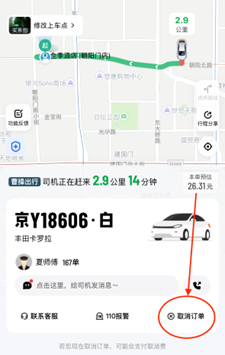
To call a car, open your WeChat app, tap on 發現,小程序,滴滴出行, let it find your location as the starting point, then you input your destination. The app will find nearby cars and give different estimated prices for you to choose. You can select one or more quotes to see which car takes your order soonest.
Just remember NOT to select 拼車 which is sharing the ride with strangers, and 出租車 which are usually dirty taxis.
Sometimes, you might have inadvertently checked the wrong choices and would be very surprised to see that a CNY150 car has accepted your order. You can cancel that at once by quickly tapping on “cancel order 取消訂單” on the lower right corner.
After the ride is over, you can just exit the car. You can complete the payment instruction that day or even the next. Tipping is not expected.
Didi prices are dirt cheap when compared with Uber prices in North America. A DiDi car to and from the airport or train station usually cost less than US$10 for, say, 10 km.
Didi estimated prices are not fixed. It is subject to adjustment on factors like actual miles and actual time, so taking a detour on a longer route or sitting in a jam will result in a higher final bill.
The further south I was, the more local branded electric cars were used for DiDi. I must say that my rides in the BYD’s and GAC Honda’s in Guangzhou were quite comfortable. In Beijing, most people were driving gasoline cars.
The downside with Didi was that many people still smoked in cars, and chances are that the moment you get on a Didi car, you’ll smell it.
2.11.4: Bicycles 單車, scooters 摩托車, walking 步行
Bicycles have always been a very popular mode of transportation in China due to its low price and easy maintenance, especially after some vendors made bike-sharing a big thing by flooding the market with millions of bikes.
On many sidewalks in the cities of China, you’ll see long lines of bicycles packed tightly together for public renting.
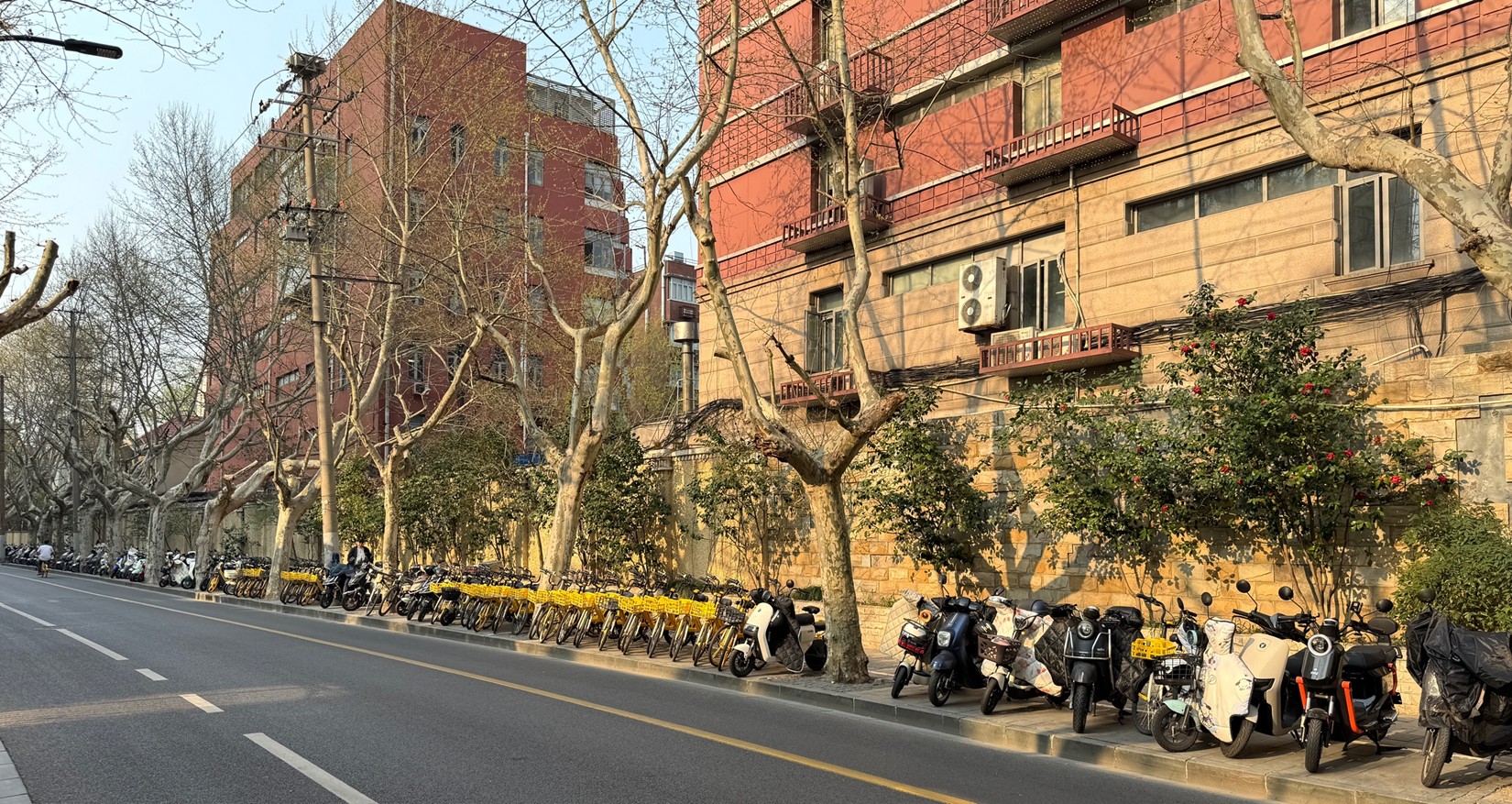
As a tourist, you should think twice before renting a bike because you are not trained to negotiate the street intersections in China!
Generally, traffic lights controlled the street intersections and crossings, but many pedestrians, cyclists and scooter riders did not seem to care. There were many scooter drivers making delivery of food and merchandise and they were more concerned with a late delivery penalty than pedestrian safety.
Bicycles and scooters frequently travelled on the road going against the traffic, and at intersections they went in whichever direction they wanted regardless of nearby vehicles and pedestrians. There is some kind of mesmerizing order out of this chaos, almost like schools of fish swimming in the ocean.
Say you see a pedestrian green light and you walk with a crowd of pedestrians onto the crossing, a scooter will quickly cut in front of you. Instead of stopping altogether, you and the pedestrians slow down a little bit and the scooter will go by without touching anyone. As you keep moving ahead, a bicycle cuts in behind you, splitting the wake of pedestrians like splitting the Red Sea.
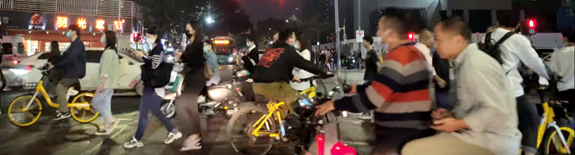
Everyone and every bike and scooter in the intersection are doing the same dance continuously. Not so much start and stop like a Tango, but more give and take like a smooth Cha-cha. In the short span of the green light, the dense traffic at the crossing will clear itself out magically.
The people who squeal and yell at intersections are surely foreign tourists. The locals do this with a poker face and take it for granted.
Down south in Guangzhou, I have seen quite a few people riding their bikes with a huge pile of merchandise precariously balanced on top, but not so much in the north like Beijing.
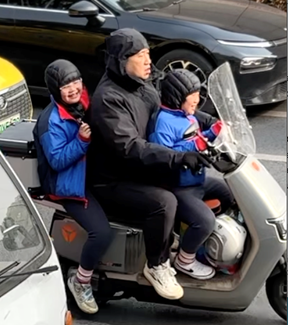
Scooters seemed to have become a very popular means for a whole family to ride on together, with no helmets and frequently against the traffic or on the sidewalks. I was appalled by the lack of safety precautions but for sure, the locals did not mind a bit, and the kids were surely enjoying their ride.
Most cities in China are quite walkable for tourists, but not this huge city known as Beijing. The blocks are enormous, and many roads have center dividers that prevent pedestrians and cars from cutting across. If you see a restaurant right across the road from your hotel, you can’t just cross the road. You‘d have to walk several minutes to a traffic light controlled crossing to go to the other side and then walk several minutes back to reach the restaurant.
The main roads in Beijing might be 4-lanes or even 5-lanes across. Not every intersection offers a U-turn, so if you are in a car and see that you just passed your hotel on the left, that’s because the driver has to do a big loop up ahead in order to turn around and cross to the other side.
And if you ask for directions from the locals, they tend to under-estimate the walking distance. If they say “the subway station is straight ahead, 3 minutes’ walk”, you can expect to walk 10 minutes or more.
PART 3: PREPARATIONS
3.1: Payment platforms in China
3.2: Entering Hong Kong, Macao, and China
3.3: HKID card 香港身份証
3.4: Mainland Travel Permit for Hong Kong and Macau Residents 港澳居民來往內地通行證 (回鄉証)
3.5: HK SAR passport 香港特區護照
3.6: Cellular Data Roaming Plan
3.7: Payment and Services Apps
3.8: Elderly Health Care Voucher Scheme 長者醫療券計劃
Appendix A: WeChat configuration tips
Let’s now talk about the preparations for touring China, Macao and Hong Kong. Please note that this section goes into many details and procedures that should be useful for readers actually planning a trip in the near future.
My observations below were based on my personal experience in March and April 2025, but my poor memory might play tricks on me.
If I am wrong, please feel free to correct me!
The first thought that might come to mind is: Why do I need to prepare anything? Can I not bring some credit cards and some cash, fly in on a plane, check in to a hotel and visit the attractions just like what I’ve done in many other countries?
Well, let’s say that if you visit China by joining a group tour 旅行團 which has arranged everything for you like visa, transportation, meals, and tickets, then indeed you do not need to make any special preparations.
But if you want to visit in a do-it-yourself 自由行 way, then you do need to make preparations in these respects:
- Obtain the necessary ID documents.
- Install and configure the phone apps for procuring and paying for transportation, meals, accommodation, and sundry purchases.
- Arrange a cell data roaming plan for your phone covering Hong Kong and China.
3.1: Payment platforms in China
For Hong Kong and Macao, you can indeed just waltz in with a passport and credit cards. Most vendors will be happy to take your credit cards or HK$ cash, and you can pay your way through restaurants, museums, taxis, buses, trains, whatever.
But in China, it is a different story. They have moved into electronic transactions and have a “real name registration 實名登紀” system. Almost every cent that you spend or receive should be traceable. This is achieved by mainly having your payment platform, like WeChat account or Alipay account, be real name registered, then automatically every transaction on that platform will fall under your name.
If you try to pay with credit cards, only the hotels might accept major credit cards. Smaller vendors might accept only China or Hong Kong issued credit cards. Taxis will not take credit cards at all.
If you try to pay with CNY cash, you actually can, as cash is legal tender. However, different vendors have different practices. Some might give you correct change, and some might say that they have no change in hand, so you end up overpaying.
Samsung Pay seems to work well in China, Apple Pay works in a limited fashion, and Google Pay does not work.
The better choices are WeChat Pay and Alipay which you should set up for visiting China. See 3.7 below for details.
3.2: Entering Hong Kong, Macao, and China
You can enter Hong Kong with your HKID card 香港身份証, your HK SAR passport 香港特區護照 or your foreign passport.
For entering Macao with an HKID, there is a choice to register your HKID for “Macao Automated Immigration Clearance Service 澳門自助過關” so that you can use the e-Channel machines at the Macao immigration hall to quickly enter Macao. You can register at the Tseung Kwan O office kiosks, or at the border checkpoint kiosks. Keep an eye out for the kiosks as you leave the hydrofoil or the bus from HK.
Without pre-registration, you’ll have to join the lengthy lines where foreign tourists enter with their passports. The entry time difference is like one minute at the machines vs. 20 minutes at the lines.
For entering China, you cannot use your HKSAR passport 香港特區護照. You can use your foreign passport (some with visa requirement), or your Mainland Travel Permit for Hong Kong and Macao Residents 港澳居民來往內地通行證 (commonly known as 回鄉証).
The MTP card 回鄉証 is very much preferred over a foreign passport for touring in China because many tourist services computer systems in China have been designed to accept the MTP for purpose of “real name registration 實名登紀”.
If you do not have a valid MTP card in hand, you should consider setting aside about 8 business days in Hong Kong at the beginning of your trip so that you can apply for a new or renewal MTP card. I can assure you that having a valid MTP card will make life very much easier in China, so you should prepare to get it. See 3.4 below for details.
And if your HKID card and HK SAR passport have expired, you might take the chance to renew them too. See 3.3 and 3.5 below for details.
3.3: HKID card 香港身份証
While your HKID is evidence of your HK residency rights, it is not a travel document but it can be used for entering HK and Macao.
When entering HK, you can choose the “Hong Kong Residents” line and present your HKID card for inspection. You should be able to enter even with an expired HKID, just that the Immigration officer will courteously remind you to renew it as soon as possible.
In the past, if you entered HK with a HKID or a passport, you will be expected to leave HK with the same document. Recently, the practice has changed. My son entered HK with his HKID and left HK with his HK SAR passport with no questions asked.
Please remember that if you need to renew your MTP card 回鄉証 as well, you should renew the MTP card first! This is because you’ll need to present your HKID card when renewing the MTP card. If you renewed your HKID first, Immigration will have retained your HKID card at once!
If your HKID has expired, you can prepare for its renewal by going to the Immigration Dept HKID renewal website and book an appointment within 96 days. You can time the appointment to be on, say, a day or two after your arrival in HK.
If you have not made an appointment, you can go to the Immigration Office at Tseung Kwan O 將軍澳 where they take walk-in’s. My son went there with no appointment and went through his HKID renewal process which took 2 hours. Go in the morning or early afternoon!
Your old HKID card will be retained by Immigration, and you’ll get a temporary HKID paper 行街紙.
The new HKID should be available for collection in 7 business days. You need to surrender the temporary HKID paper when collecting the new HKID.
3.4: Mainland Travel Permit for Hong Kong and Macao Residents 港澳居民來往內地通行證 (回鄉証)
This MTP card is crucial for touring in China. Many tourist services computer systems in China have been designed to accept the MTP for purpose of “real name registration 實名登紀” which is a mandatory requirement for creating accounts and booking train and air tickets, etc.
3.4.1: The MTP is issued by China Travel Services 中旅社 which requires an appointment. Their appointment calendar allows for booking within 29 days, so once you’ve decided which date you’ll arrive in HK, you should calculate which date you want to go to CTS, and then within those 29 days, you should go online to their application webpage to enter your application data and book your appointment.
For example, from 2025-04-11 12:01am HK time, the appointments for 2025-04-11 to 2025-05-09 are posted online. You should book ahead early in order to secure an appointment for the date that you want.
You also need to prepare some personal data (all in Traditional Chinese characters) before you start inputting your application data online, like the number and effective period of your old MTP card, your HKID details, a HK home address and HK phone number, names of your parents even if deceased, and names and HK addresses and HK phone numbers of your spouse and children.
If you do not have a HK address and phone number, you might need to ask a friend or relative for permission to “borrow” theirs.
The appointment calendar gives you an exact appointment time, but when you go to CTS on that day, the actual time you show up is not important at all. Say you booked an appointment for 2 p.m., you can show up at any time during office hours that day and CTS will process your application when you arrive.
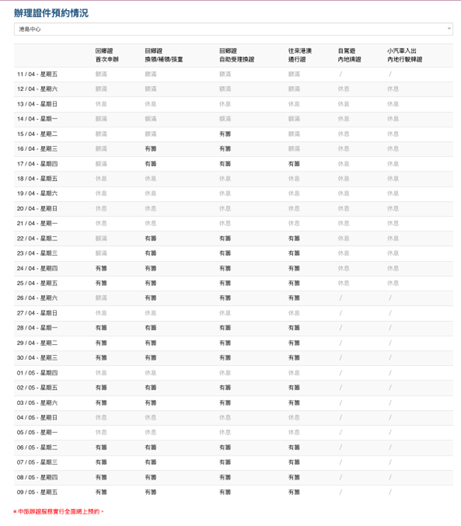
3.4.2: On the appointment day, remember to bring your old MTP card, your HKID card, HK$50 for photo, and HK$670 for “express processing 快証” which can be picked up in 5 business days. CTS does not accept credit cards or cheques.
Your first stop at CTS should be the photo machines there. For HK$50 in cash, the assistant will take and print your photo to be used for the MTP card. Do not bother with bringing your own photo, it will surely be rejected regardless how well it is made and you’ll end up going to their HK$50 photo machine.
When you have the photo, walk over to one of the computer kiosks to scan your old MTP card and HKID card. Since you are unfamiliar with the steps, you will move too slowly and one of the assistants will see that and come to help you do it. When the scanning is done, you’ll get an order number and you can then take a seat and wait.
When your number is called, go to the relevant cubicle where a CTS staff will complete the processing. Remember to specify that you want “express processing 快証”. After you pay the HK$670 fee, you’ll get a collection receipt specifying the date on which you can collect your MTP card.
Your old MTP card will be punched with holes and returned to you together with your HKID card.
If you do this procedure in the early morning like 9 a.m., you should be able to complete it within 15 minutes. The later you go, the longer the wait. Expect to spend an hour there if you go at 4 p.m.
3.4.3: On the collection day, go to the card collection kiosk and scan the collection receipt to get your new MTP card.
Once you get the MTP card, you can proceed with “real name registration 實名登紀” for your WeChat Pay and Alipay as well as Railway12306, the train-booking app.
3.5: HK SAR passport 香港特區護照
This passport cannot be used for entering China from the HK border, but is especially useful for entering some foreign countries that allows its use without a visa requirement.
If you have HK residency rights, there is no reason why you are not getting the HK SAR passport. When HK reverted to China in 1997, China authorized the Central Government to issue the HK SAR passport with processing delegated to the HK SAR Government.
Only Chinese nationals 中國公民 with HK residency rights can obtain this HK SAR passport!
Application for a new or renewal passport can be done online and an appointment made for a personal interview at an Immigration office in HK.
The new passport can be collected in person after 7 business days, or by authorizing a third party to collect it.
3.6: Cellular Data Roaming Plan
In China, you’ll need your phone to have cell data to run the WeChat or Alipay apps on the road, otherwise you cannot pay a restaurant, call a car, or buy a subway ticket, unless you carry quite a bit of CNY cash.
The simplest arrangement is to have global roaming added to your home cell phone plan.
Other options are to buy a travel sim card, or exchange your home currency for a bunch of CNY cash, at home or in Hong Kong before you enter China.
I have global roaming on my home phone plan, and I had no problems with my internet, phone and text when in China. Everywhere I went, my phone switched to the local phone network seamlessly and I was able to use WeChat and Railway12306 any time.
My connection speed in China was mostly 4G LTE or sometimes 5G, usually around 120 Mbps.
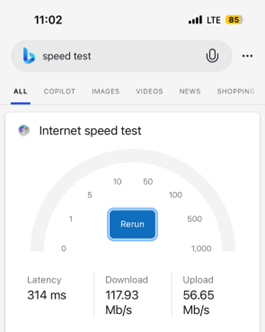
One interesting thing I noticed with roaming was that the Chinese cell networks did not have a firewall against YT, GG, FB, WA…etc. I was able to access those “restricted” sites during my whole trip.
It was only when I got to a hotel and used the hotel WiFi that I saw the firewall kick in.
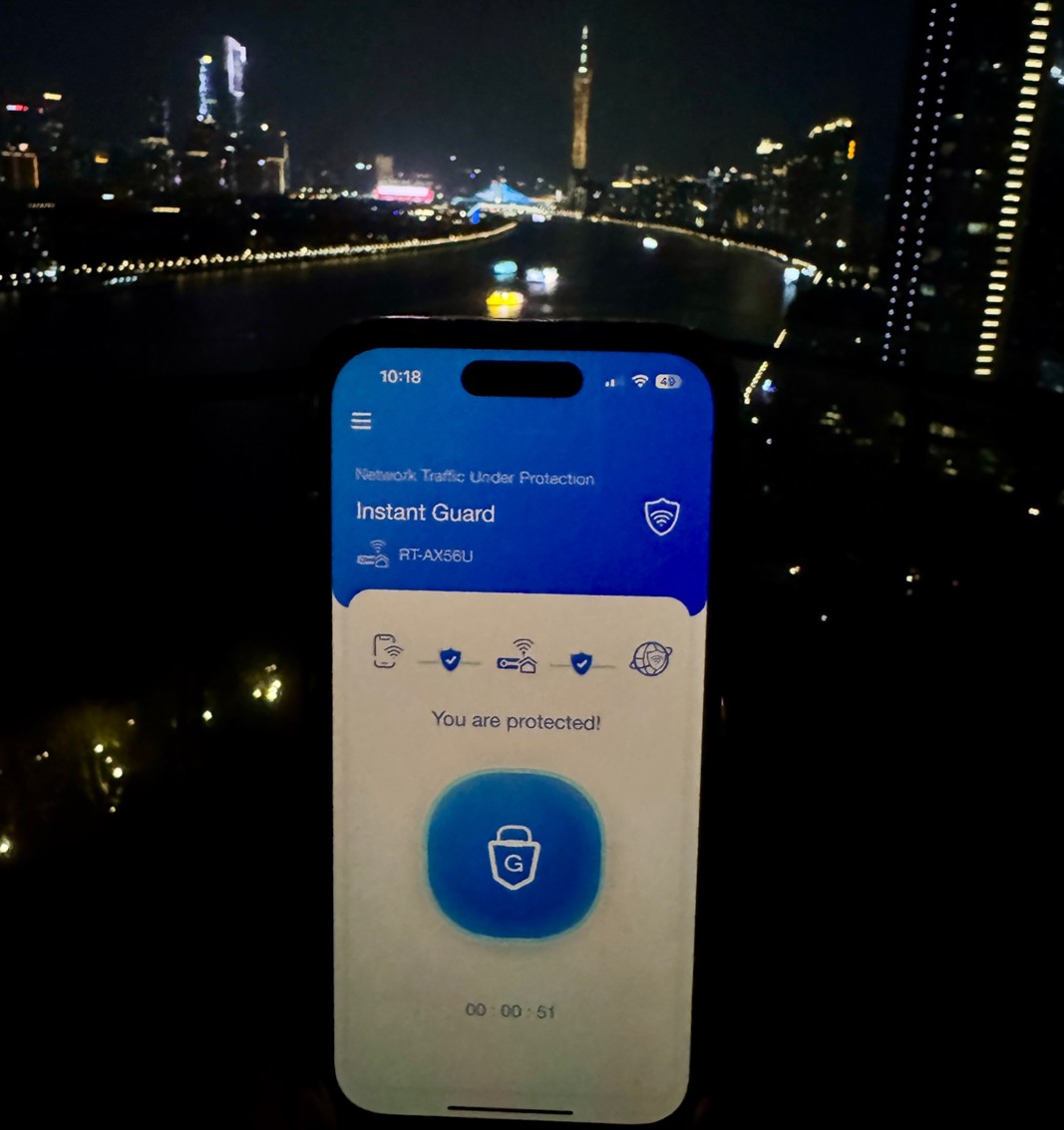
I have already set up my home Asus router for a private VPN connection using the Asus Instant Guard app. I have verified that on the hotel WiFi which blocked the restricted apps, I was indeed able to use Instant Guard to 翻牆 and access them.
3.7: Payment and Services Apps
In older days, getting WeChat Pay or Alipay to work required a Chinese bank account and a Chinese phone number. These requirements no longer apply, and I was able to set up my WeChat Pay and Alipay using my foreign phone number and foreign credit card. Most importantly, I needed to “real name verify 實名驗証” my account with my MTP card 回鄉証 to make it work properly.
For the below mentioned software apps, you need to install them at home or in HK before entering China. This is because your App Store might not work once you enter China.
3.7.1: WeChat Pay 微信支付
I found that WeChat worked much better than Alipay for me.
There are essentially 2 versions of WeChat: 微信 for Chinese residents with Chinese bank account and phone number, and WeChat International for others.
If you install WeChat outside China, the App Store will automatically select the international version for you.
3.7.1.1: When you first install WeChat, it’ll ask you to input your name, region, phone number, and password. The choice of phone number is worldwide, so you can use your foreign phone number, just be sure to select the correct country code you are in.
It’ll then text a verification code to your phone number, and you should enter the code.
Now that your phone number is verified, you can proceed with configuring your WeChat. Please see Appendix A below for configuration tips.
3.7.1.2: You might have heard of how Tencent used QQ as a messaging app in the early days, and then changed it to WeChat and added mini apps to expand its functions beyond messaging.
This is obvious when you first install WeChat, it looks just like a messaging app, so where are the other functions like booking cars and tickets?!
On the WeChat homepage, there are 4 icons on the bottom:
WeChat 聊天,通訊錄,發現,我。
Tap on 發現 to access the mini apps which strangely at the first time are nowhere to be found.
You need to go through the procedure of installing an app to make the “小程序” section appear. To do this, tap on 發現,搜一搜 to bring up a search box, and search for some apps to add.
3.7.1.3: An essential app is “Didi 滴滴出行” which is the Chinese equivalent of Uber.
There is a stand-alone Didi app but instead of using that, you should use the Didi mini app in WeChat to take advantage of the fact that your WeChat is already real name verified, which saves you the trouble of having to real name verify the stand-alone Didi app.
Type “DiDi’ in the search box and 滴滴出行 will be found. Tap on it to install it.
The 小程序 page will open and you will now see a bunch of apps in it. See 2.11.3 above on how to book a car 網約車。
3.7.1.4: Another useful app is “飛豬” which is a multi-function app offering booking of hotel, airfare, train ticket, attractions tickets, day trips, etc.
With it running inside WeChat, you can just select the service you want and pay for it easily.
However, if you are a senior, then you should not book museum tickets online, please see 2.6 above.
3.7.2: Alipay 支付寶
As WeChat worked very well for me in China, I actually had no chance to use Alipay on the road. I have used Alipay in North America to book a hotel in Beijing and the transaction was successful, but which incurred 2% transaction fee for me.
There are three versions of Alipay:
支付寶 for Chinese residents with Chinese bank account and Chinese phone number,
AlipayHK for use in Hong Kong,
Alipay International for use worldwide except HK.
I installed Alipay with my foreign phone number and attached a foreign credit card.
For the real name verify 實名驗証,Alipay needed me to scan my MTP card with the phone camera.
As I already got relatives to transfer CNY to my WeChat, I did not ask them to transfer CNY to my Alipay too.
Since Alipay charges 2% fee on all credit card transactions, and with no CNY cash balance in the wallet, I avoided using Alipay on this trip.
So, my experience with Alipay was quite minimal.
3.7.3: Amap 高德地圖
Google Maps does not work in China, and out of the several available alternatives, I found Amap to be the fastest.
It is very good for finding directions, and getting train routes for the subway. You can even order a DiDi car from within the app.
If you have an iPhone, Apple Maps is also fast and accurate, but it is not good with addresses in Chinese.
3.7.4: Railway12306 中國鐵路
Chinese train tickets booking can be made 15 days in advance. Tickets sell out very quickly so instead of going to the train station ticket office in person, the best way to book is online using the 12306 app which you should install and configure before entering China.
One obstacle with this app is that to set up an account, it only accepts phone numbers with the country code 86, 852, 853 or 886, and a phone number can be used only for one account.
If you ask a friend to “borrow” his 852 phone number, he must not already have a 12306 account.
Temporary 852 phone numbers do work, so you can get a temp sim card in HK if you do need to register your own 12306 account.
12306 requires real name verify 實名驗証 and you can use your MTP card for it.
A 12036 benefit is that you can add other “passengers 乘車人” so that you can book train tickets for them too. Each passenger also needs real name verify 實名驗証.
I’ve real name verified my wife and myself in my 12306 app in HK, but I have not yet booked tickets for my high speed rail trip from HK to Guangzhou as I was unsure what time we should leave HK.
When I arrived at West Kowloon station 西九高鐵站,I went to the ticket counter to choose my train. When I booked, the clerk there could see on her screen that my wife’s passenger status and mine have been verified already.
In case you use a passport instead of a MTP card, buying your first train ticket at a station ticket counter is the way to go. When you do that, the assistant will process your passport into the system so that when you buy another ticket later on, it’ll be much easier.
When going through the gates, I scanned my MTP card on the gate machine and it opened for me. No paper ticket required as the ticket was electronically linked to my MTP card.
At the destination station, exiting the gates also required a scan of my MTP card.
There are three choices of seats on high speed train 高鐵 : 2nd class 二等座 (2+3 seats across train width), 1st class 一等座 (2+2 seats across train width), and Business class 商務座 (adjustable lie-flat seats).
Roughly, the ticket prices are in the ratio 1:2:4 for 2nd class, 1st class, and Business class. That is, 1st class ticket is about double the cost of a 2nd class ticket, and Business class ticket is 4 times the cost of a 2nd class ticket.
I noticed that when I made my high speed train bookings, it was quite hard to find available Business class tickets. When I talked to some locals about this, they told me that most of the Business class seats were actually held back from public booking, possibly reserved for the possibility of some VIP’s needing to board a train at the last minute.
3.8: Elderly Health Care Voucher Scheme 長者醫療券計劃
Persons aged 65 or above and holding a valid HKID are eligible to receive and use the vouchers to pay for private primary healthcare services.
Each voucher is good for HK$2,000 a year with a maximum accumulation limit of 4 vouchers or HK$8,000 per person. A married couple can even pair up their vouchers for shared use. For those who visit HK only once a few years, there is no reason not to spend the vouchers on healthcare services.
There are many choices of healthcare services registered with the EHCVS. Western and Chinese medicine practitioners, dentists, chiropracters, therapists, optometrists…etc., and the Greater Bay Area part of the EHCVS even covers some practitioners in China.
If you already know a doctor or healthcare service that accepts the voucher, then using it to pay for services is very easy. Simply present your HKID to the provider and they’ll take care of the paperwork.
If you are the really meticulous and detail-oriented kind, you can register for an eHealth online account where you can search for a healthcare service that fits your needs, and make bookings in advance to fit your itinerary.
Appendix A: WeChat configuration tips
A.1: You should firstly change the language of the app to “Simplified Chinese” because if you use English or Traditional Chinese, searches later on might not work correctly as the “pen strokes 筆劃” are different.
At the bottom of the home screen, there are 4 icons: Chats, Contacts, Discover, Me.
Tap on Me, Settings, General, Language, select 簡體中文, Done.
While you are there, take the chance to change a very annoying feature “翻譯”.
Tap on 我,設置,通用,翻譯,turn off ”自動翻譯聊天中收到的消息”.
This will stop the messages from repeating every message with a Simplified Chinese translation.
Tap on 我,設置,個人資料 and configure the fields there.
Not all fields are mandatory and can be skipped if you wish.
A.2: You can start a 實名驗証 process.
Tap on 我,支付與服務,錢包,身份訊息 (small print on the bottom),實名驗証狀態
and then input your MTP Card info accurately into the fields. The MTP card number should be H followed by 8 numbers.
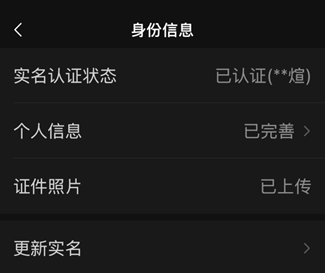
When this is completed, the 實名驗証狀態 should change to 已驗証 and would also show the last character of your Chinese name. See example:
A.3: The best wallet choice is a CNY cash balance 零錢 which works 100% of the time, and does not carry a transaction fee.
If you do not have a CNY bank account, you’ll need the help of a friend or relative to send some CNY to you over WeChat messaging.
Firstly configure your WeChat to be able to accept money sent from friends.
Tap on 我,支付與服務,錢包,支付設置 (small print on the bottom),
turn on these fields 修改支付密碼,手機面容識別,手機號轉賬設置.
Then the other person and you have to become WeChat “friends 朋友”.
If you have a person to send you CNY, then surely he/she will know how to set you up as a friend. Once the friend is set up, the other person will simply tap on his/her wallet and send you some CNY.
You’ll receive a message saying that there is incoming money, you tap on the message to accept the money, and the money will go at once into your WeChat wallet 零錢.
To have WeChat use 零錢, you should set the cash balance to have priority over your credit card.
Tap on 我,收付款,優先付款方式,更改,and check 零錢。
A.4: You can also attach a credit card to WeChat.
Please remember that WeChat charges 2% fee for each credit card transaction over CNY200, therefore credit card should be a back up only.
Tap on 我,支付與服務,錢包,銀行卡,添加銀行卡,輸入卡號添加,tap on the Camera icon to scan your credit card.
Not all credit cards are equal! Even if it works well in your home town, it might not work in China.
Using WeChat Pay with an attached card might bring up an error saying “Your bank has not made a payment arrangement with WeChat”. This happens because the issuing bank of your credit card might be a small regional bank that indeed has not allowed WeChat to access your credit card.
Chances for successful transactions will be much higher if you attach a credit card issued by large national banks like RBC, TD, Bank of America, Chase, Citibank, HSBC…etc.
A.5: One nice thing about WeChat is that payments are clearly recorded. You can easily check how much you’ve paid to whom and when.
Tap on 我,支付與服務,錢包,賬單 (on top right corner), this brings up a list of the payments you’ve made or received via WeChat Pay.
_______________________________________
That’s all I can think of for now. I hope this will be useful to help you prepare for your trip to China!

 Raimondi '69